The Philosophy of Kaiseki: Harmony on Seasonal Ceramics
How Kyoto culinary masters articulate the subtle transition of the 72 micro-seasons through earthenware, wild herbs, and crystal-clear dashi.
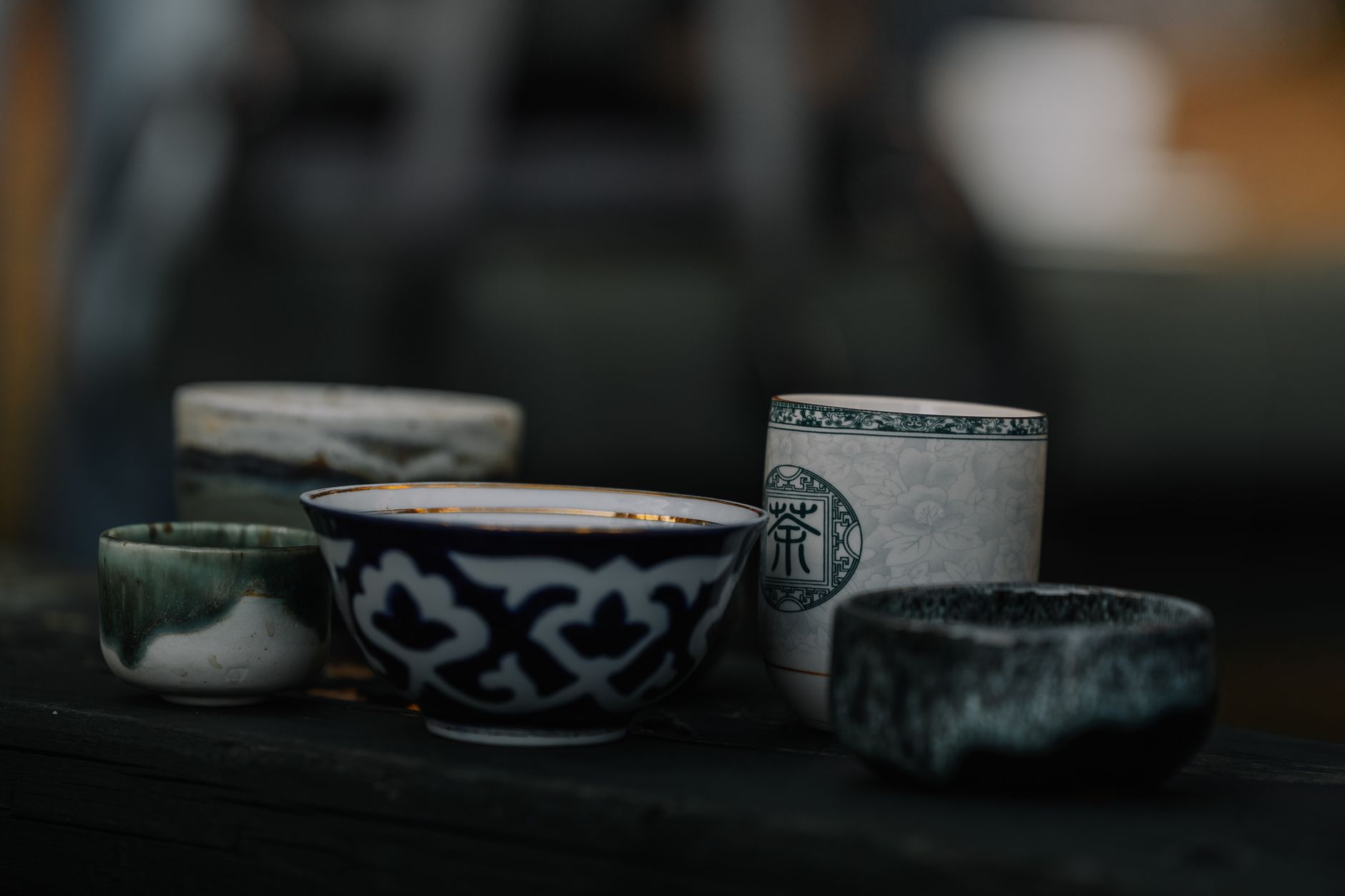
Ceramic plates crafted by third-generation potters in Shigaraki.
In Western culinary traditions, the dish is often built around a dominant protein and architectural presentation. In Kyoto’s kaiseki culture, however, every small dish is a poetic contemplation of time itself. When bamboo shoots appear in early spring, they are served on vessels that evoke melting mountain snow.
The Sacred Craft of Dashi
At an unassuming counter along the Shirakawa canal in Gion, Chef Morita begins each morning with water drawn from a specific mountain spring. He steeps Rishiri kelp aged for three winters, bringing the temperature to exactly 65 degrees Celsius before adding paper-thin shavings of dried bonito. The resulting broth is luminous, devoid of fat, yet possessed of infinite depth.
"We do not impose flavor upon ingredients; our task is simply to remove whatever obscures their natural essence."
This culinary discipline extends to the tactile experience of dining. Earthenware plates are kept at hand-temperature; lacquer soup bowls are chosen for their lightness and pleasant warmth against the lips.
The Traveler as Observant Guest
To partake in a kaiseki meal is not merely to consume fine food, but to practice presence. One must observe the calligraphy on the dining room scroll, notice the single wild camellia blossom in the alcove, and savor each morsel with unhurried reverence.

Julian Moreau
Culinary & Culture Lead